How deep root fertilization works
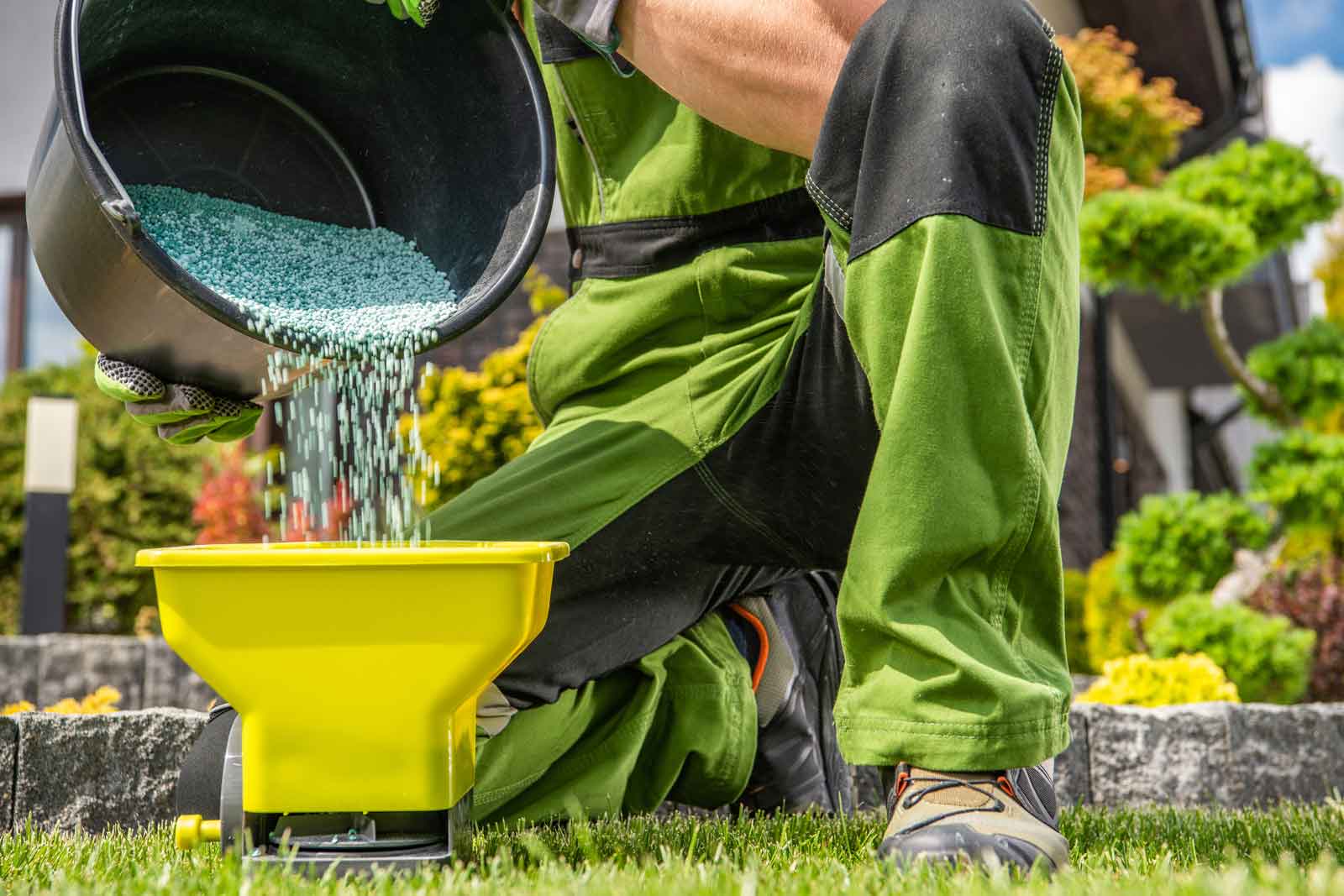
A technician injects liquid fertilizer under low pressure at points around the tree's root zone. Most of a tree's feeding roots are in the upper foot or so of soil and extend well beyond the canopy edge, so the injections are spread across that area rather than placed against the trunk.
Because the fertilizer goes below the turf, the tree gets the nutrients instead of the grass. The injections also loosen and moisten the soil around each point.
Why trees in Denver yards benefit
- Clay and compacted soil limit how far roots can spread and how easily they take up nutrients.
- Lawns compete with trees for water and nutrients in the same soil, and lawn fertilizer is formulated for grass, not trees.
- Urban sites often lack the leaf litter that feeds soil in a forest.
- Stress from drought, construction or pests leaves trees with less energy to grow and defend themselves.
Fertilization is not a cure for every problem. A tree that is short on water needs water first, and yellowing from iron chlorosis needs iron treatment rather than a general fertilizer. That's why we assess first.
When to schedule it
Spring fertilization supports new growth as the tree leafs out. Fall fertilization, after the heat of summer, supports root growth and helps the tree store energy for the next season. Your arborist will recommend the timing and frequency that fit each tree.
See our articles on spring soil-injection fertilization and deep fall fertilization.
Getting started
An ISA Certified Arborist looks at each tree's growth, leaf color and site, then recommends fertilization only where it helps. Deep root fertilization is part of our plant health care service. Request a free estimate or call 303.639.8584.